Sciatica Treatment in Fourways: Causes, Symptoms & What Actually Helps
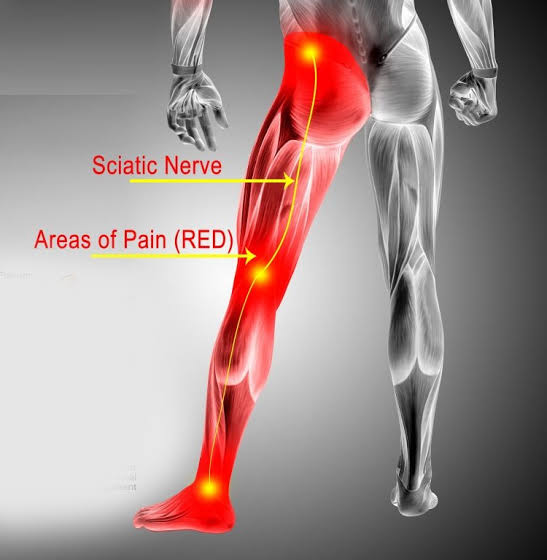
Sciatica is one of the most common reasons people seek help from a chiropractor in Fourways or Sandton.
Many people use the term “sciatica” to describe pain that travels from the lower back into the buttock, thigh, calf, or foot. While sciatica can be painful and frustrating, understanding what is causing the symptoms is the first step toward effective treatment.
The good news is that most cases of sciatica improve with appropriate assessment, movement, rehabilitation, and load management.
What Is Sciatica?
Sciatica is not actually a diagnosis.
It is a term used to describe symptoms that occur when the sciatic nerve becomes irritated or sensitive.
Common symptoms include:
- Pain travelling into the leg
- Tingling or pins and needles
- Numbness
- Burning sensations
- Weakness in the leg
- Lower back pain with leg symptoms
Symptoms may affect one side of the body and can vary from mild discomfort to significant pain.
What Causes Sciatica?
Several conditions can contribute to sciatic nerve irritation.
Common causes include:
- Disc injuries
- Disc bulges or herniations
- Spinal joint irritation
- Reduced movement and mobility
- Muscle-related irritation
- Prolonged sitting
- Repetitive bending or lifting
Not all leg pain is sciatica, which is why a proper assessment is important.
What Does Sciatica Feel Like?
People often describe sciatica as:
- Sharp pain down the leg
- Burning pain in the buttock
- Tingling in the foot
- Electric shock sensations
- Pain when sitting
- Pain while driving
- Symptoms that worsen when bending forward
Some people experience more leg pain than back pain, while others experience both.
When Should You Seek Treatment for Sciatica?
You should consider an assessment if:
- Symptoms are not improving
- Leg pain is worsening
- Walking becomes difficult
- Numbness develops
- Pain affects work or sleep
- Symptoms keep returning
Early assessment can help identify contributing factors and guide appropriate treatment.
How Is Sciatica Assessed?
At Pure Symmetry Multicare in Fourways, assessment focuses on understanding:
- The source of symptoms
- Nerve involvement
- Movement limitations
- Strength deficits
- Lifestyle and work factors
- Training and activity levels
Assessment may include:
- Orthopaedic testing
- Neurological examination
- Strength testing
- Range of motion assessment
- Functional movement assessment
The goal is to understand why symptoms are occurring and what factors may be contributing.
What Treatments Help Sciatica?
Treatment depends on the cause of symptoms and individual presentation.
Management may include:
- Manual therapy
- Joint mobilisation or manipulation
- Dry needling
- Soft tissue treatment
- Exercise rehabilitation
- Nerve mobility exercises
- Strength and conditioning
- Load management advice
Treatment is always based on clinical findings and individual goals.
Should You Rest Sciatica?
In most cases, complete bed rest is not recommended.
While temporary modification of aggravating activities may help, prolonged inactivity can often delay recovery.
Appropriate movement and gradual loading are usually important components of rehabilitation.
Do You Need a Scan for Sciatica?
Not always.
Many cases of sciatica can be assessed without imaging.
Scans may be considered if:
- Significant weakness is present
- Symptoms are worsening
- Serious pathology is suspected
- Recovery is not progressing as expected
- Surgical consultation is being considered
Imaging should be guided by clinical findings rather than performed routinely.
Can Exercise Help Sciatica
Yes.
Appropriate exercise is often one of the most effective long-term management strategies.
This may include:
- Walking programs
- Mobility exercises
- Strengthening exercises
- Core and trunk conditioning
- Gradual return to sport or exercise
The goal is to improve resilience and restore normal movement capacity.
When Should Sciatica Be Considered an Emergency?
While most cases improve with conservative care, urgent medical assessment may be required if symptoms are associated with:
- Loss of bladder control
- Loss of bowel control
- Progressive leg weakness
- Saddle numbness
- Severe neurological symptoms
These signs require immediate medical evaluation.
Looking for Sciatica Treatment in Fourways or Sandton?
At Pure Symmetry Multicare, treatment focuses on:
- Identifying the cause of symptoms
- Reducing pain and irritation
- Restoring movement
- Improving strength and function
- Helping patients return to work, sport, and daily activities
We proudly serve patients across:
- Fourways
- Sandton
- Bryanston
- Lonehill
- Broadacres
- Dainfern
- Kyalami
- Johannesburg North
Whether you’re experiencing leg pain, numbness, tingling, or persistent lower back pain, care is tailored to your needs.
Book an Appointment
If sciatica is affecting your work, sleep, exercise, or quality of life, an assessment can help identify what may be contributing to your symptoms and what treatment options may help.
Book your consultation with Dr Bevan Leedham and the team at Pure Symmetry Multicare today.
FAQ
What is sciatica?
Sciatica is a term used to describe pain, tingling, numbness, or weakness that travels along the path of the sciatic nerve, often from the lower back into the leg.
What causes sciatica?
Sciatica may be caused by disc injuries, nerve irritation, spinal joint dysfunction, prolonged sitting, or other factors affecting the sciatic nerve.
Can a chiropractor help sciatica?
A chiropractor can assess and manage many cases of sciatica using evidence-based treatment approaches including rehabilitation, manual therapy, movement strategies, and load management.
Do I need an MRI for sciatica?
Most cases do not require imaging immediately. MRI may be considered when symptoms are severe, worsening, or not responding to conservative treatment.
When should I worry about sciatica?
Urgent medical attention is required if symptoms are associated with bladder or bowel changes, progressive weakness, saddle numbness, or severe neurological symptoms.
